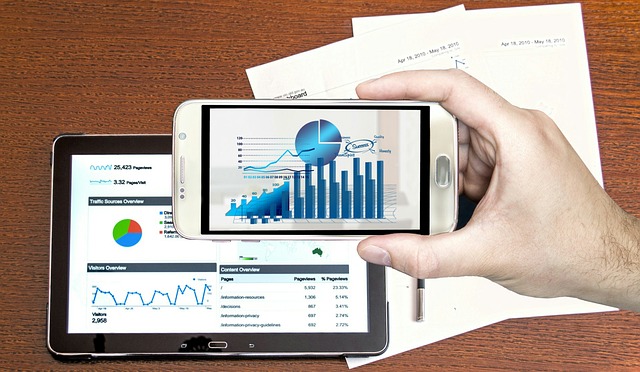
In the world of digital marketing, businesses are constantly searching for ways to reach the right audience, maximize their advertising budgets, and generate measurable results. This is where Performance Marketing comes in. Unlike traditional marketing, where brands spend money on ads without any guaranteed outcome, performance marketing focuses strictly on measurable results such as leads, clicks, sales, app installs, website visits, and more.
In simple terms, Performance Marketing is a data-driven approach where you only pay when a specific action is completed. This makes it one of the most cost-efficient and result-oriented forms of online advertising, widely used by startups, e-commerce companies, agencies, and global brands.
Why is Performance Marketing Important?
Performance marketing has become essential for businesses for three main reasons:
You Pay Only for Results
Unlike traditional ads (TV, radio, billboards), you are not wasting money hoping the right customers will see your message. You only pay when a target action happens — like when a user clicks or buys.
It is Completely Trackable and Measurable
Every rupee spent can be tracked. You always know which ad is performing, who is engaging, at what time, and through what platform.
Scalable and Flexible
If an ad campaign performs well, you can increase the budget and scale quickly. If not, you adjust instantly — no long-term waste.
How Performance Marketing Works
Performance marketing relies on digital channels such as:
| Platform / Channel | What It’s Used For |
|---|---|
| Google Ads | Search & display ads to capture people actively searching. |
| Meta Ads (Facebook & Instagram) | Social media ads for awareness and lead generation. |
| YouTube Ads | Video ads for brand recall & product education. |
| Affiliate Marketing | Paying partners or influencers only for sales. |
| Email & SMS Campaigns | Retargeting and nurturing leads. |
The core workflow typically looks like this:
Easy Optimization: Test different elements and improve continuously.
Define your goal (leads, sales, website traffic, etc.)
Choose the right channels (Google, Meta, etc.)
Create targeted advertisements
Run campaigns and track performance
Analyze data & optimize
Scale the campaigns that work
Key Components of Performance Marketing
Audience Targeting
Identifying who should see your ads. This includes demographics (age, location, gender), interests, online behavior, etc. Better targeting = better results.
Creatives (Ad Graphics & Copy)
Your ads must catch attention, deliver a message quickly, and create desire. The creative elements include:
- Ad design
- Headlines
- Call-to-Action buttons (CTA)
- Videos, images, and carousels
Landing Pages
After clicking your ad, the customer must land on a page that convinces them to take action. A poor landing page = wasted ad spend.
Tracking & Analytics
Tools like Google Analytics, Facebook Pixel, and CRM dashboards help track real-time performance — showing what’s working and what’s not.
Optimization
Performance marketing is iterative. Marketers continuously test, tweak, and optimize:
- Bidding strategies
- Ad copy variations (A/B tests)
- Audiences
- Landing page performance
Popular Metrics in Performance Marketing
| Metric | Meaning | Why It Matters |
|---|---|---|
| CTR (Click-Through Rate) | % of people who clicked the ad | Measures relevance of your ad |
| CPC (Cost Per Click) | The amount spent per click | Shows how efficient your campaign is |
| CPA (Cost Per Acquisition) | Cost to acquire a lead or sale | Helps evaluate profitability |
| ROAS (Return on Ad Spend) | Revenue generated per ad rupee | Determines financial success |
| Conversion Rate | % of visitors who take action | Shows effectiveness of landing pages |
Knowing how to interpret these metrics is what separates average marketers from high-performing performance marketers.
Advantages of Performance Marketing
- Budget Control: Start small and scale only when results are positive.
- Fast Results: Campaigns generate data within hours or days.
- Precision Targeting: Reach people most likely to convert.
- High ROI Potential: Focus on results → better return on spend.
- Easy Optimization: Test different elements and improve continuously.
Challenges in Performance Marketing
While highly effective, it comes with its own complexities:
Requires Data Understanding
Marketers must analyze data daily to maintain performance.
Competition Can Be High
Popular industries face rising advertising costs.
Creative Fatigue
Ads become less effective over time, requiring fresh designs.
Platform Algorithm Changes
Meta and Google constantly update ad systems, requiring ongoing learning.
Career Opportunities in Performance Marketing
Performance marketing is one of the fastest growing job fields today. Roles include:
- Google Ads Specialist
- Facebook/Instagram Ads Expert
- Performance Marketing Manager
- PPC Analyst
- Media Buyer
- Digital Strategist
- Affiliate Marketer
- Marketing Automation Specialist
Even freelancers and entrepreneurs can build successful income streams through this skill.
Performance marketing is not just another marketing trend — it represents the future of advertising. With a clear focus on data, ROI, and measurable outcomes, it empowers businesses to grow faster, scale efficiently, and optimize their budgets wisely.
For anyone looking to build a career in digital marketing or grow their business, learning performance marketing is a powerful advantage.